


Freecash: Earn Money
4.667.04K Reviews
App Specs
- Version
- 1.271.1
- Updated On
- License
- Free
- Downloads
- 10,000,000+
- Developer
- Freecash
- Categories
- Finance
- Platform
- Android
Screenshots

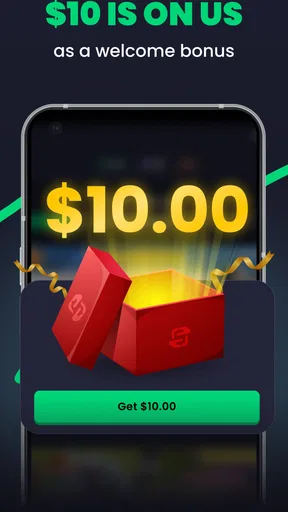
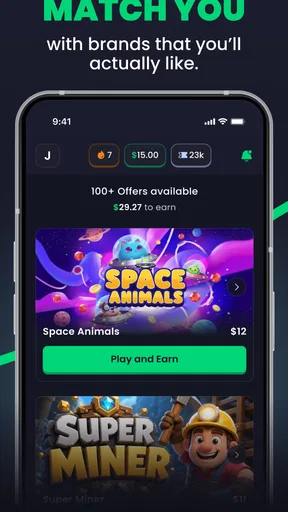
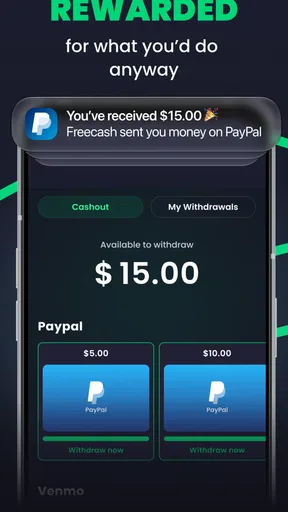
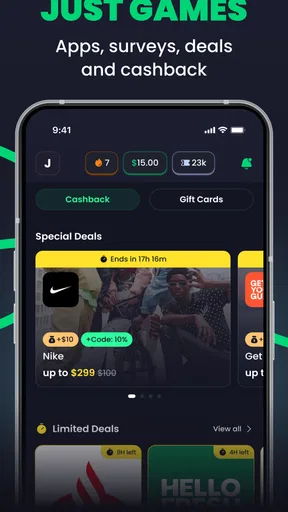

 Analysis by AppCompare
I spent time with Freecash: Earn Money as a finance app built around paid games, offers, surveys, and other small online tasks. Its basic idea is easy to understand: choose an activity, complete the requirements, and work toward a cash-out. That sounds simple, but the real experience depends on how clearly each offer explains its conditions and how well the task fits your time, attention, device, and personal circumstances.
My overall impression is that Freecash works best as a flexible way to turn spare minutes into modest rewards, not as a dependable income source. I found the app more interesting than a standard survey-only service because games and offer-based tasks can give you different ways to participate. At the same time, the variety creates extra decisions and more opportunities to misunderstand a requirement. The app is free, aimed at mature users aged 17 and above, and has built a large audience, with over 10 million installs and an average rating of 4.5 from around 484 thousand ratings.
How clearly the app presents choices and progress
The first thing I noticed was that Freecash asks me to make choices rather than follow one fixed path. That can be useful for people whose concentration, energy, or available time changes from day to day. If I do not want to answer questions, I can look for a game or another offer instead. If I only have a short break, I can scan for something that appears manageable rather than committing to a long activity.
That flexibility also means the home experience can feel busier than a conventional finance app. A banking application usually has a narrow purpose: balance, transfers, and transaction history. Freecash combines earning opportunities, task details, progress, and reward decisions in one environment. In my experience, the important skill is not simply tapping the most attractive-looking offer. It is reading the conditions before starting and deciding whether the expected effort suits me.
For readability, I would treat every offer description as a small contract with myself. I look for the required action, the deadline or progression target if one is shown, and any instruction about starting through the app. This is one of the most useful habits I developed while using it. A reward can look appealing until I realize that the task needs repeated sessions, a particular sequence, or more attention than I have available.
The app’s appeal is strongest when I use it deliberately. I prefer to browse first, compare several activities, and select one that matches my current situation. Starting immediately after seeing a large reward is less sensible. The larger-looking opportunity may demand more time, more persistence, or more precise tracking than a smaller task that I can finish cleanly.
Freecash comes from the developer Freecash, and its current version is 1.260.0. It supports Android 7.0 and later, which makes it available to people using older Android devices. That is helpful for users who cannot or do not want to replace a working phone simply to try a rewards app. However, operating-system compatibility is not the same as a guaranteed smooth experience on every older handset. Screen size, performance, and the way an individual offer behaves can still affect comfort.
Worth Reading Before You Choose

Baby Panda World Brings Quick Play to Modern Phones, but Its Game Library Feels Busy

ESPN’s Live Game View Makes Following Close Games Easier

QuizzLand Review: A Good Fit for Short Trivia Breaks, Not Every Player

Basketball Stars: Multiplayer Is Fast, but Can It Recover When Matches Go Wrong?

WEBTOON Turns Phone Updates Into a Better Reading Routine

Link to Windows Runs on Shared Habits, Not Social Feeds
Readable decisions matter more than flashy rewards
For someone with dyslexia, attention difficulties, or limited patience for dense instructions, the most important part of the experience is not the reward total. It is whether the next action is obvious. I recommend opening the full details of an offer before accepting it, then summarizing the requirement in your own words. For example, I might write down the exact level or milestone I need to reach and the date by which I need to do it.
That simple external note is more valuable than relying on memory. Offer-based earning often involves several conditions, and a person can lose track while switching between the app and a game. It also helps users who experience fatigue or short-term memory problems, because the task becomes a visible checklist rather than something they must hold in their head.
I would not describe Freecash as a calm, minimalist finance tool. Its purpose naturally involves browsing opportunities, comparing effort, and monitoring completion. People who prefer one clear button and almost no reading may find the process tiring. In contrast, users who like choosing between different activities may appreciate having more control over how they spend their spare time.
Motor, visual, hearing, and attention considerations
Freecash does not require the same kind of interaction for every activity. A survey may involve reading and selecting answers, while a game offer can demand repeated taps, navigation, or longer sessions. That variation is important for users with different motor abilities. Someone who finds rapid tapping uncomfortable may prefer tasks with slower, deliberate input, while someone who struggles with extended reading may find a game more approachable than a long questionnaire.
The trade-off is that the app cannot remove the demands of the activity itself. Choosing a game does not automatically make the experience accessible. The game may contain small controls, time pressure, fast visual changes, or repeated actions. Likewise, a survey may be physically easy but mentally exhausting because of the amount of text. I judge each offer separately rather than assuming that one category will suit everyone.
For users with limited dexterity, I would avoid starting several activities at once. Keeping one task active reduces the number of screens, accounts, and progress states to manage. It also makes it easier to stop when your hand, wrist, or eyes need a break. A practical workflow is to choose one low-pressure activity, record its requirement, complete a short session, and then check whether the progress is being recognized before investing more time.
That last step is especially important. I would not spend hours on an offer without periodically checking its status. If something appears not to track correctly, continuing blindly can turn a small experiment into a frustrating loss of time. Checking early is a sensible protection for anyone, but it is particularly useful for people who need to budget physical or cognitive energy carefully.
Visual comfort depends heavily on the activity selected. The app itself may be easy enough to browse, yet a linked game or offer can introduce different text sizes, contrast, animation, and navigation patterns. Users with low vision should inspect the first screen of an activity before committing. If the instructions are difficult to read or the controls are too small, the reward is probably not worth forcing the task.
People who are sensitive to motion, flashing effects, or busy screens should be selective about game-based offers. A survey or simpler task may be the better choice, even if its reward appears less exciting. This is one place where Freecash differs from a normal cash-back app: the earning process can involve interactive entertainment, so sensory comfort is part of the decision.
Hearing-related needs are less central to the basic idea of completing offers, but individual activities can still depend on sound or spoken material. I would not assume that every game or survey communicates everything visually. Before investing time, I look for written instructions and consider whether the task can be completed without audio. When that is unclear, choosing another offer is safer than discovering the problem halfway through.
Useful routines for variable energy and focus
One non-obvious strength is that the app can fit different energy levels if I treat it as a menu rather than a schedule. On a day when I have only ten quiet minutes, I can browse and choose a small activity. On a day when I have more patience, I can consider a longer game-based goal. This makes it more adaptable than a service that gives every user the same questionnaire flow.
There is a cost to that freedom: I have to make the judgment myself. Freecash does not turn an offer into a guaranteed hourly rate. The apparent value depends on how quickly I understand the instructions, how well the task matches my abilities, and whether I would enjoy doing it anyway. I would compare opportunities by effort and reliability, not by the headline reward alone.
Another useful approach is to separate browsing from earning. I can look through the available choices when I have time, then start only one when I am ready to focus. This reduces impulsive decisions and helps prevent a situation where I accept a task while distracted, forget its conditions, and later wonder why the result did not match my expectations.
Using Freecash in everyday situations
A realistic use case is a commuter waiting for a delayed train, provided the person has enough battery, connectivity, and privacy to work comfortably. Instead of opening the app and picking the first visible game, I would review the requirements, choose a short activity, and stop before boarding. The goal is not to transform a delay into a major payday. It is to use otherwise unproductive time without creating a commitment that follows me through the rest of the day.
Another example is a student who wants a small personal reward after finishing regular work. Freecash can provide a choice between a survey and a game, but the student should protect study time by setting a clear limit. If an offer encourages continued play or repeated checking, it can become a distraction rather than a useful break. In that situation, a conventional budgeting app may be a better companion because it supports saving and planning instead of asking for more activity.
For someone at home with fluctuating mobility, the app may be convenient because some tasks can be completed from a phone without travel. Yet comfort still depends on the selected activity. A person who cannot use touch controls for long periods might prefer occasional reading-based tasks, while someone who finds typing difficult may favor interactions requiring fewer written responses. The important point is to match the offer to the person, not to treat the entire platform as universally easy.
Freecash can also be useful for testing whether small online rewards fit your habits. I would begin with a task whose requirements are easy to understand and whose completion does not require a large time commitment. Afterward, I would assess the actual effort, not just whether I enjoyed it. Did I need constant attention? Did I remember the instructions? Was the progress clear? Those answers tell me more about whether the app suits me than a single successful session.
Compared with traditional survey apps, Freecash offers broader activity choices and may feel less repetitive. Compared with cash-back shopping services, it is less passive: I generally need to perform an action rather than simply buy something I already intended to purchase. Compared with gig-work platforms, it is easier to try casually but does not offer the same kind of predictable work structure. That makes it a better fit for spare-time experimentation than for replacing employment.
Where the experience still creates barriers
The biggest barrier is uncertainty around effort. A task can look simple at first and become demanding once I read the full conditions. This affects everyone, but it is harder for people who need to plan around pain, fatigue, limited data, or scheduled assistance. The app is most inclusive when I treat every opportunity as optional and avoid committing resources I cannot afford to lose.
Another barrier is the need to move between Freecash and external activities. Switching screens can be difficult for users with attention limitations, memory challenges, or motor impairments. It can also make it harder to remember where a requirement came from. My workaround is to keep the original instructions visible when possible, take a personal note, and avoid accepting a second offer until the first has been resolved.
Some people may also be uncomfortable with the mature age rating. At 17 and above, Freecash is not aimed at children, so families looking for a child-friendly reward app should skip it. Parents should not assume that a finance label makes the service suitable for younger users. The age guidance is part of deciding whether the app belongs on a particular device.
Privacy and trust are practical considerations whenever an app connects users with surveys, games, and earning activities. I recommend reading each task’s instructions carefully and sharing only what is necessary for the activity you intentionally choose. I would also avoid treating a high reward as a reason to ignore discomfort or confusion. If an offer feels unclear, intrusive, or too demanding, leaving it unfinished is a reasonable decision.
The app is free to install, but “free” does not mean costless in practice. My time, attention, battery, data use, and patience all have value. A game offer can be a poor exchange if I would not have played it otherwise and the required progress takes many sessions. This is why I would never use Freecash with the expectation of guaranteed earnings or immediate financial relief.
Users who need predictable accessibility settings, highly controlled typography, or a single consistent interaction pattern may prefer a simpler finance tool. Freecash inherits some of the unevenness of the offers it presents, so the experience can change from one activity to the next. That variety is part of its appeal, but it is also the reason I would not recommend it blindly to someone who needs every step to behave the same way.
My inclusive verdict after using it
I see Freecash as a flexible rewards app for adults who can read offer conditions carefully, make their own effort-to-reward judgments, and accept that small online earnings are not guaranteed income. Its strongest inclusive quality is choice: users can look for games, surveys, or other activities that better match their energy, interests, and physical comfort. That is more accommodating than a single-format service that gives everyone the same task.
Its weakest point is also choice. Different activities can bring different reading loads, controls, sensory demands, and levels of uncertainty. The app can support varied contexts, but it cannot make every external task suitable for every person. I would recommend starting slowly, recording requirements, checking progress early, and stopping whenever the physical or mental cost becomes higher than the reward feels worth.
With an average rating of 4.5 and around 58 thousand written reviews, the platform clearly attracts substantial user interest. Its release on April 12, 2022, and continuing updates show that it is an established app rather than a brand-new experiment. Still, popularity does not change the central trade-off: you exchange time and attention for the possibility of rewards.
I would recommend it to someone who enjoys trying different mobile activities during spare moments and wants more variety than ordinary survey apps provide. I would skip it if I needed stable income, disliked reading detailed conditions, had very limited data or battery, or required a consistently controlled interface across every task. For the right user, the best way to approach Freecash is modestly: choose carefully, protect your time, and view every completed offer as a small bonus rather than a promise. Its real value comes from giving you control over what you attempt, not from making earning effortless.
Pros
- Offers multiple ways to earn
- including surveys
- games
- tasks
- and offers.
- Cash-out options include PayPal
- gift cards
- and other supported rewards.
- Many tasks show estimated rewards before you start them.
- Low payout thresholds can make first withdrawals relatively quick.
- The interface is simple
- with progress and earnings easy to track.
Cons
- Survey availability and earnings vary considerably by country and profile.
- Some offers require purchases
- subscriptions
- or reaching demanding milestones.
- Screen-outs can happen after answering several survey questions.
- Rewards may be delayed while an offer is reviewed or verified.
- Privacy-conscious users may dislike the amount of profile data requested.
FAQs for Freecash: Earn Money
What is Freecash: Earn Money, and how does it work?
Freecash is a rewards platform where users can earn money or gift cards by completing online activities. Depending on your location, available tasks may include surveys, app and game offers, product trials, and other promotional activities. After completing an offer and receiving approval, the reward is added to your account balance, although completion times and eligibility can vary considerably.
Is Freecash: Earn Money legitimate and safe to use?
Freecash is a legitimate rewards service, but users should still approach every offer carefully. The app may request personal information needed for surveys, offer tracking, or payment verification, so it is important to read the privacy policy and each offer’s terms. Never provide unnecessary sensitive information, and avoid promotions that require unexpected payments or seem unclear.
How can I withdraw my earnings from Freecash?
Withdrawal methods can differ according to your country, account status, and current platform availability. Common options may include PayPal, cryptocurrencies, bank-related services, or digital gift cards. Before completing tasks, check the cash-out section for the minimum withdrawal amount, processing time, identity requirements, and any regional restrictions. Some rewards may arrive quickly, while others require additional review.
How much money can I realistically earn with Freecash?
Your earnings depend on the number of available offers, your location, demographic profile, and the time you are willing to spend. Higher-paying game or trial offers may require several days or specific milestones, while surveys generally provide smaller rewards. Freecash should be viewed as a way to earn occasional extra money rather than a dependable replacement for employment.
What should I do if a completed offer does not credit to my Freecash account?
If an offer fails to credit, first confirm that you followed every instruction, used the correct tracking link, and met the stated requirements within the deadline. Keep screenshots, receipts, confirmation emails, and other evidence before contacting support. Submit a detailed ticket through the platform’s help system, but remember that third-party advertisers may control verification and some disputes cannot be approved.


